

Restaurant ordering2026 · In build
Mister Burger
A charcoal grill that takes its own orders, without renting the customer back from a delivery app.
Next.js · TypeScript · Tailwind · Motion
Open case studythe systems your business runs on.
Badii Ali
Security practitioner, developer and installerSyrian, working out of Beirut — and remotely, anywhereMost of what your business runs on is invisible until the morning it stops. The website, the network behind it, the cabinet in the back room, the cameras nobody checks. I look after all of it — so there is one person to call, and that person already knows how it fits together.
One person for the website, the network, and the room it all sits in.
Mostbusinessesdonotneedmoretechnology.Theyneedthetechnologytheyalreadyhavetobeunderstood,secured,andkeptrunning—bysomeonewhowillstillanswerthephonenextyear.
Six real businesses with real problems. Point at any one to watch it run, or open it to see what got built.
A charcoal grill that takes its own orders, without renting the customer back from a delivery app.
Next.js · TypeScript · Tailwind · Motion
Open case study
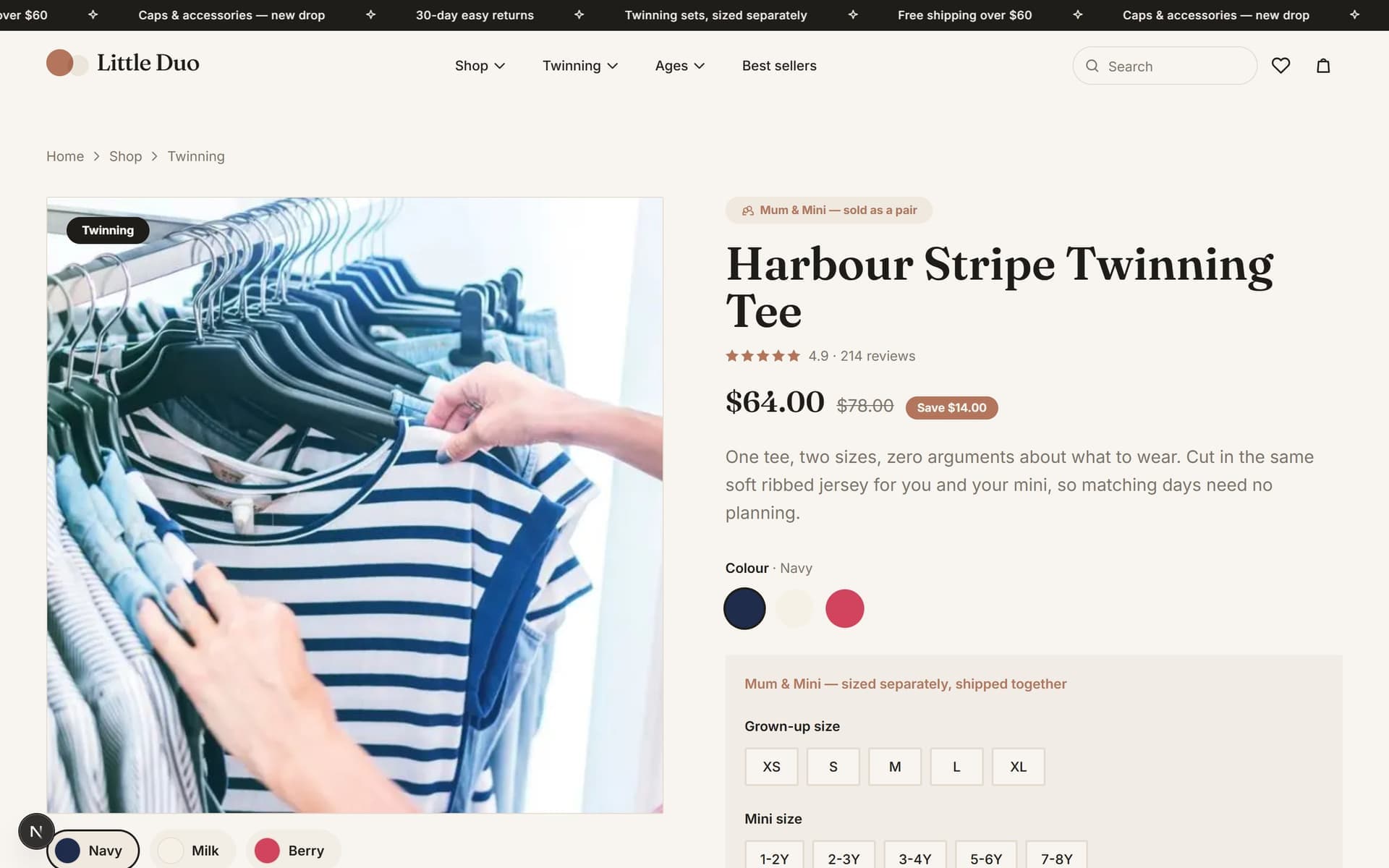
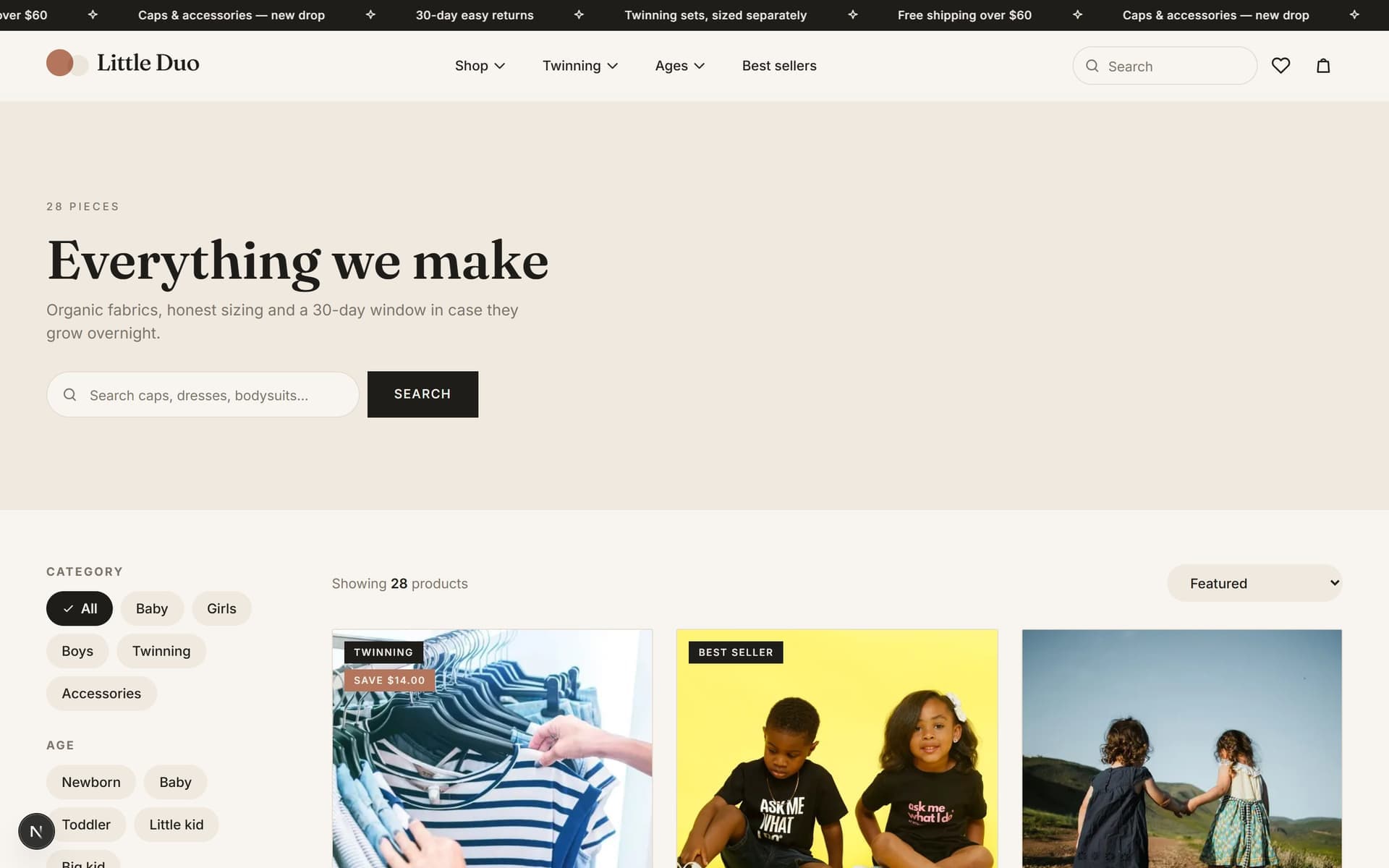
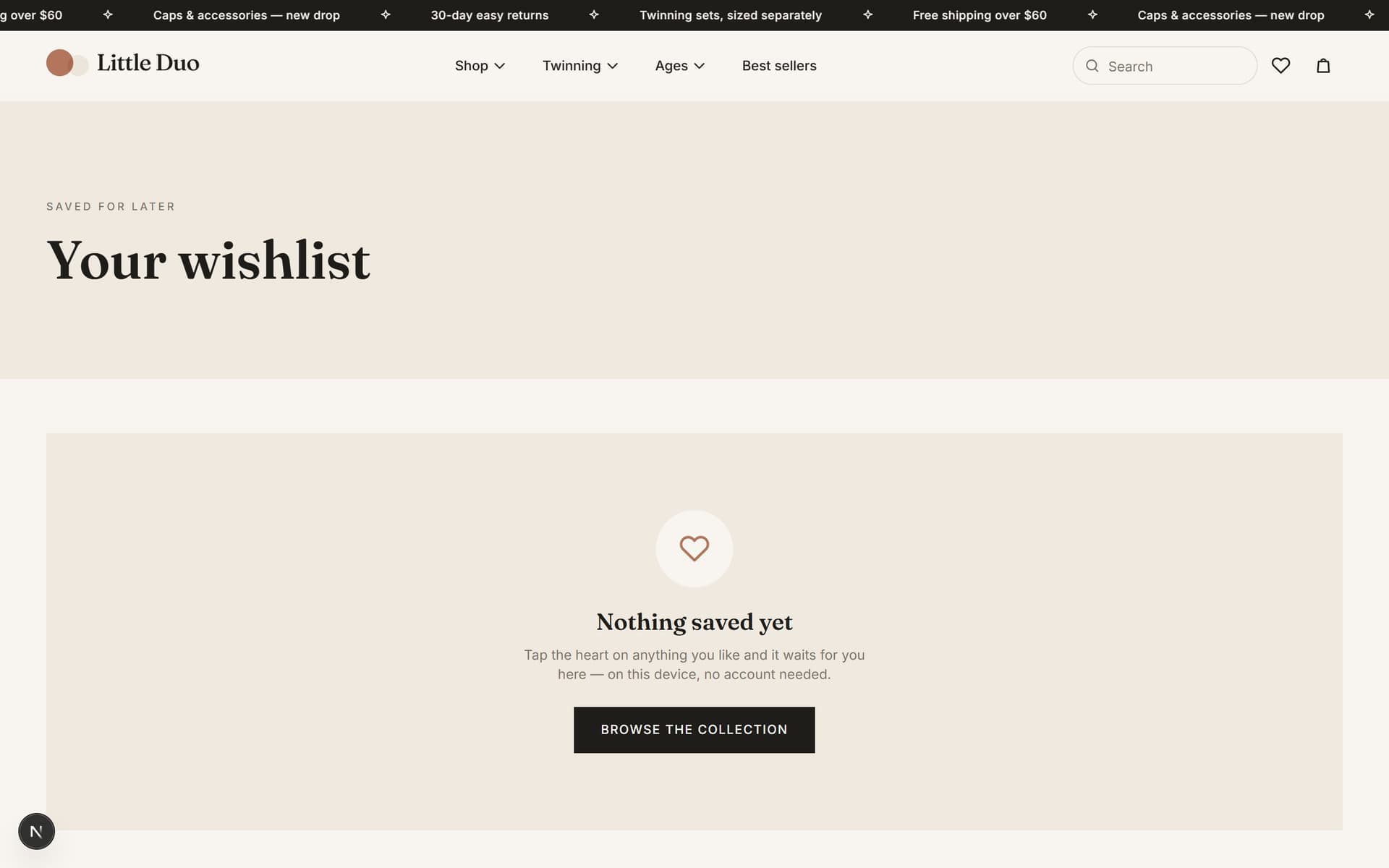
A children’s clothing storefront built around the thing the category actually sells.
Next.js · TypeScript · Tailwind · GSAP
Open case study
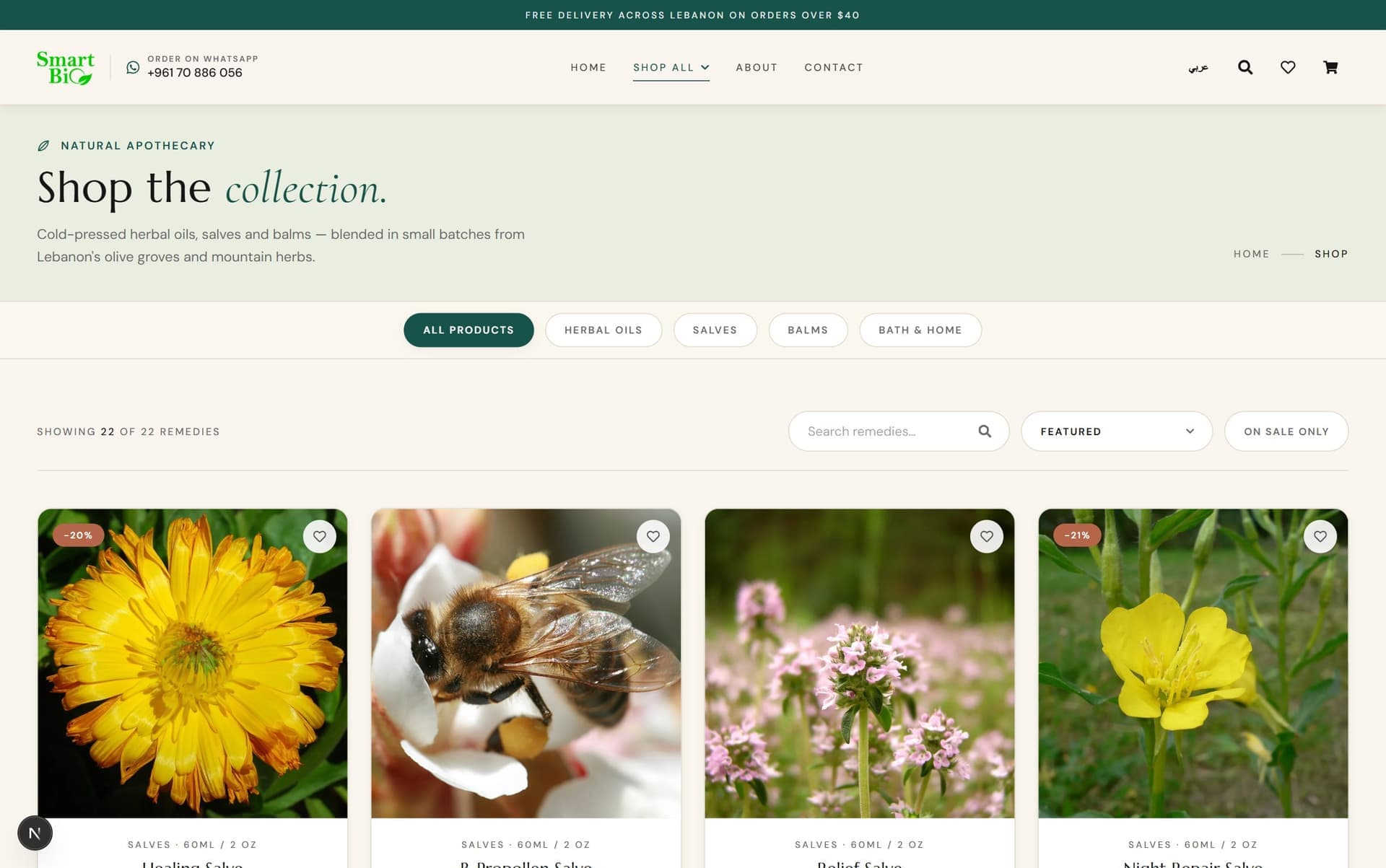
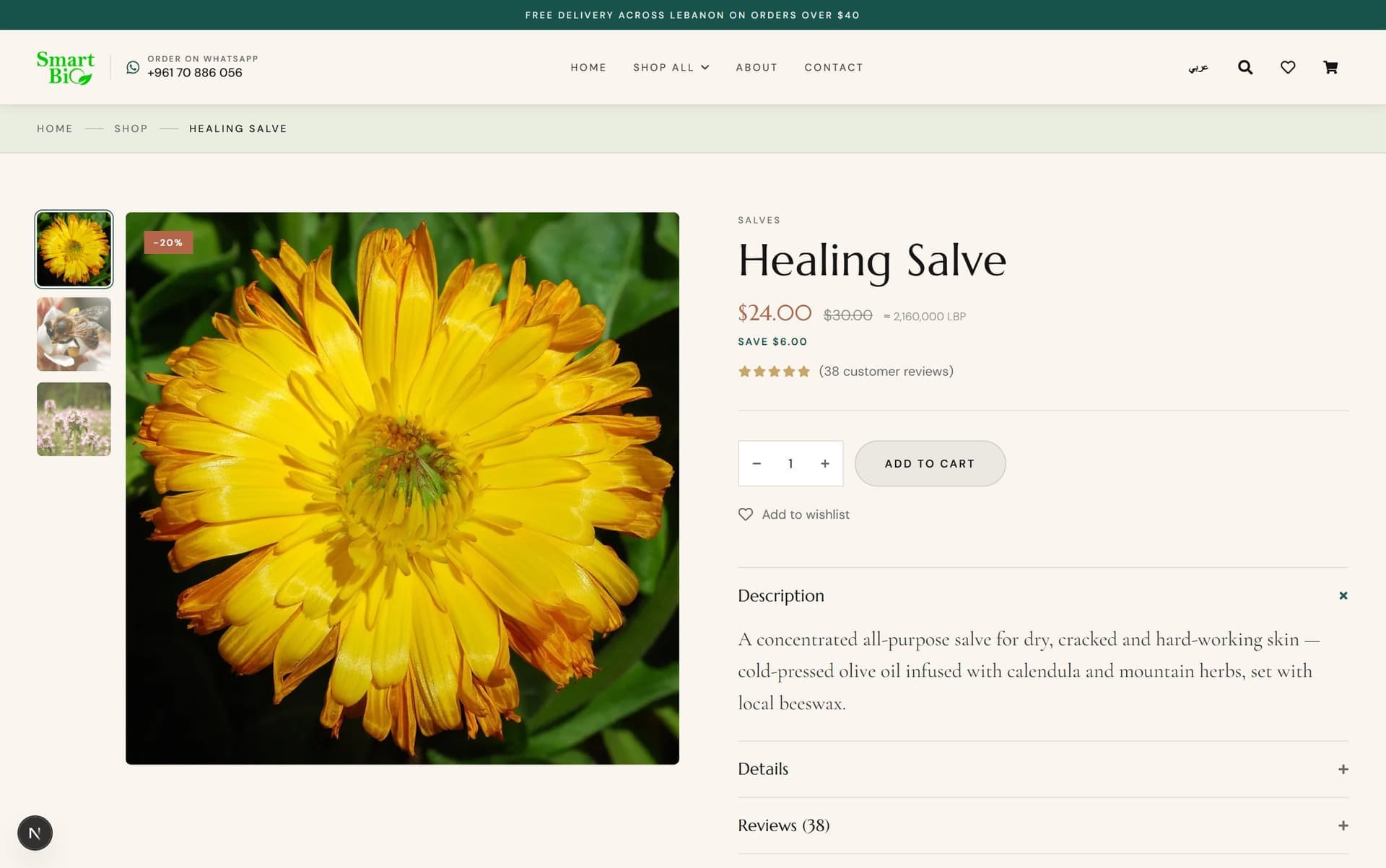
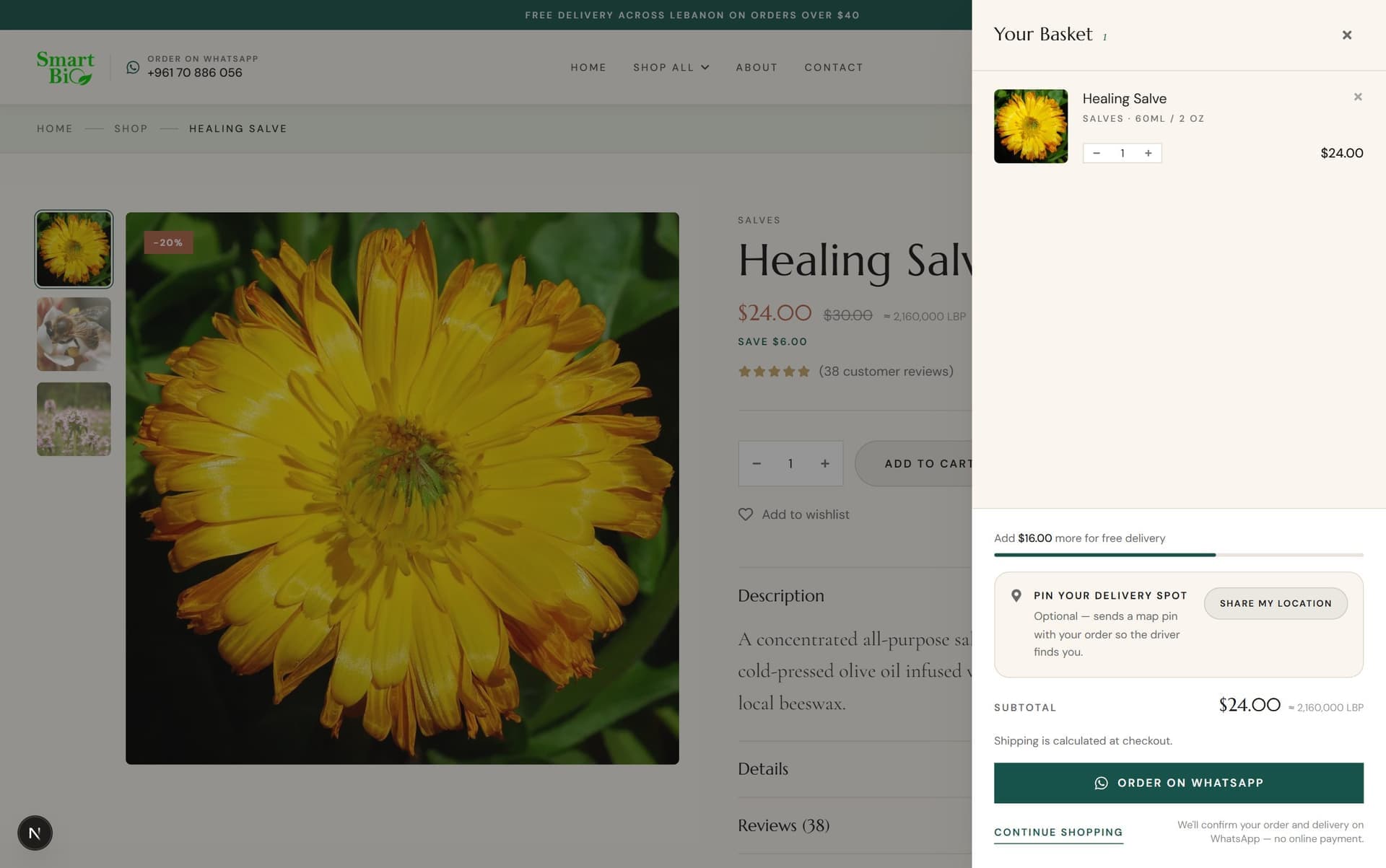
A bilingual herbal storefront built around how people actually buy in Lebanon.
Next.js · TypeScript · Prisma · Tailwind
Open case study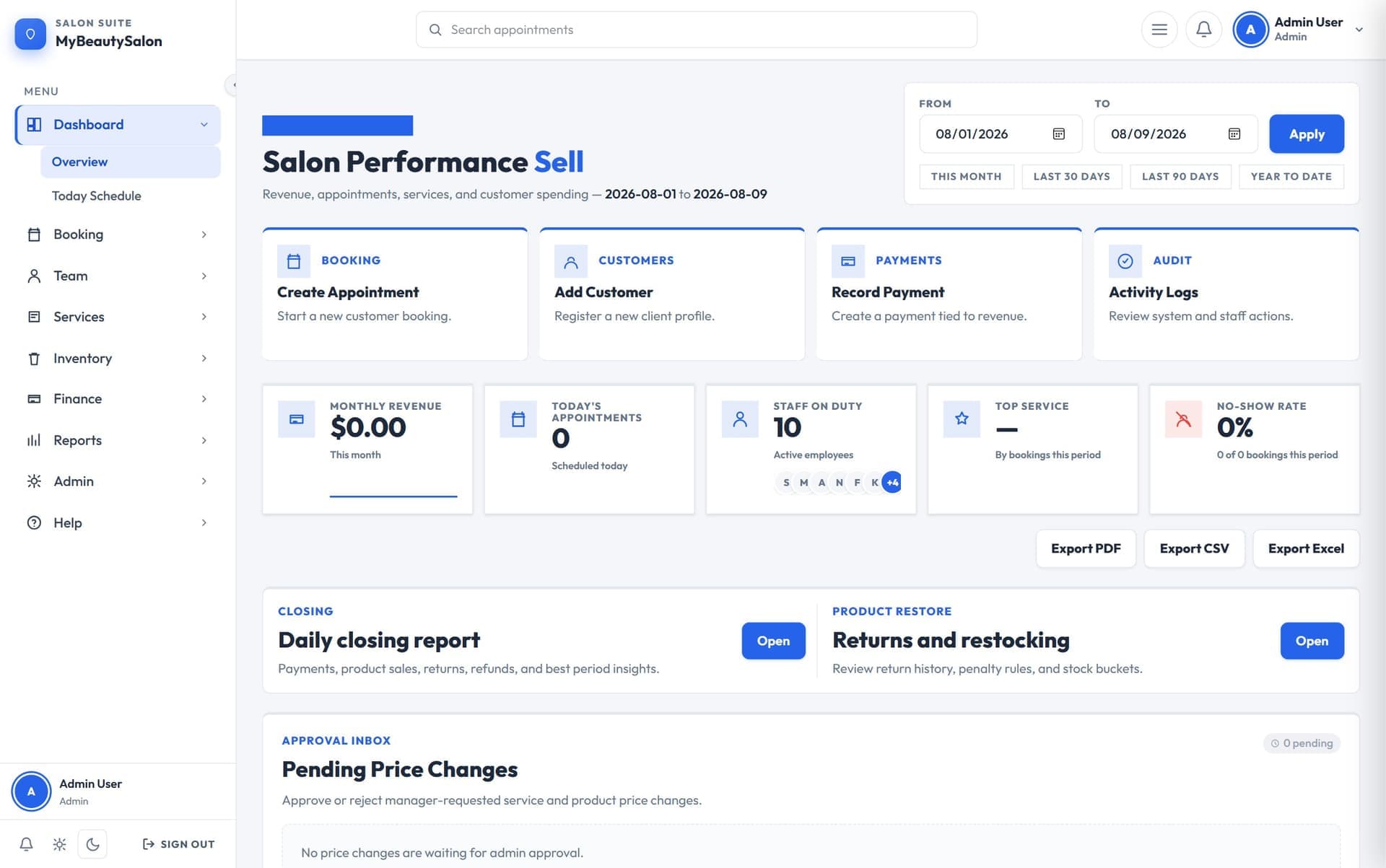
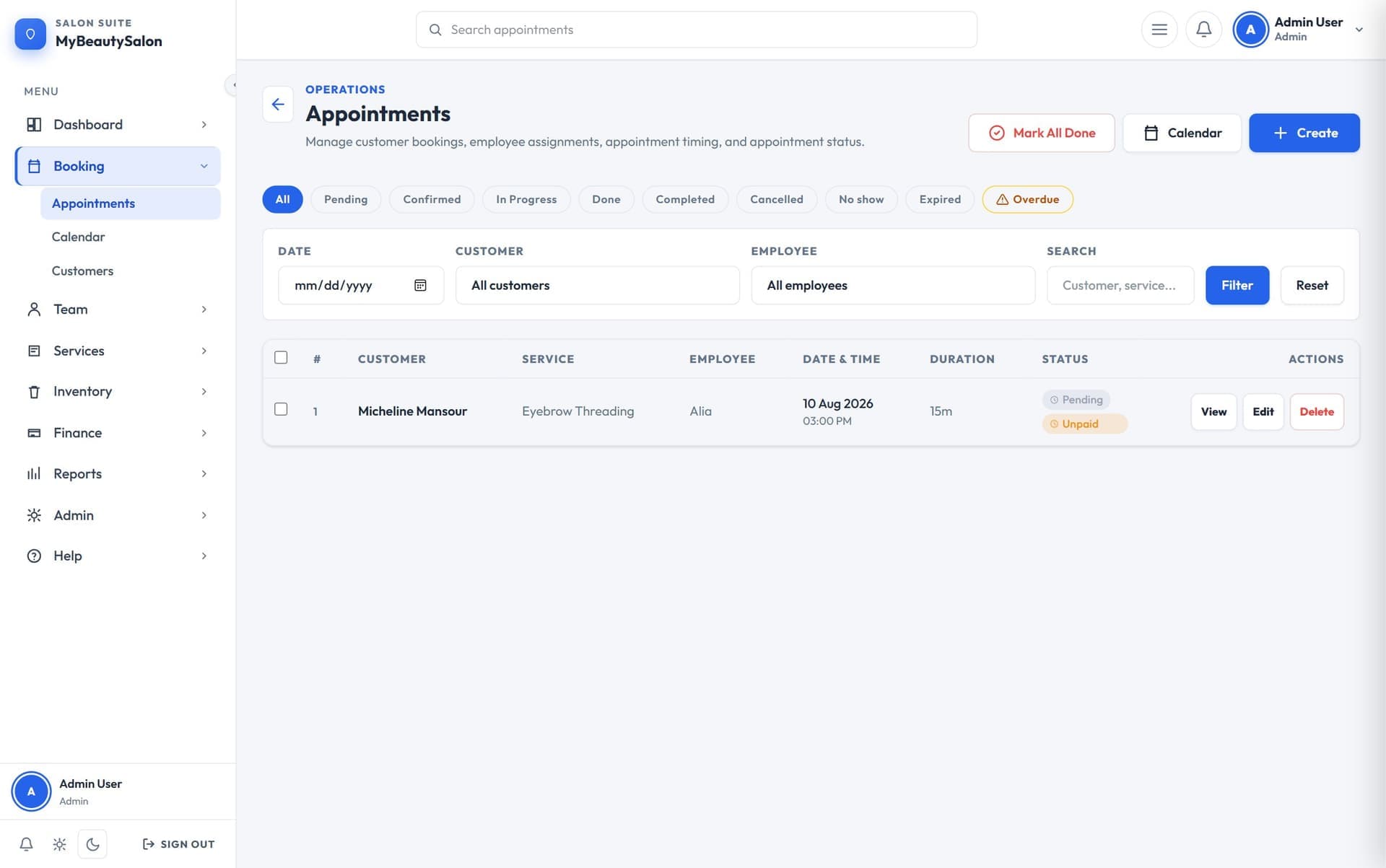
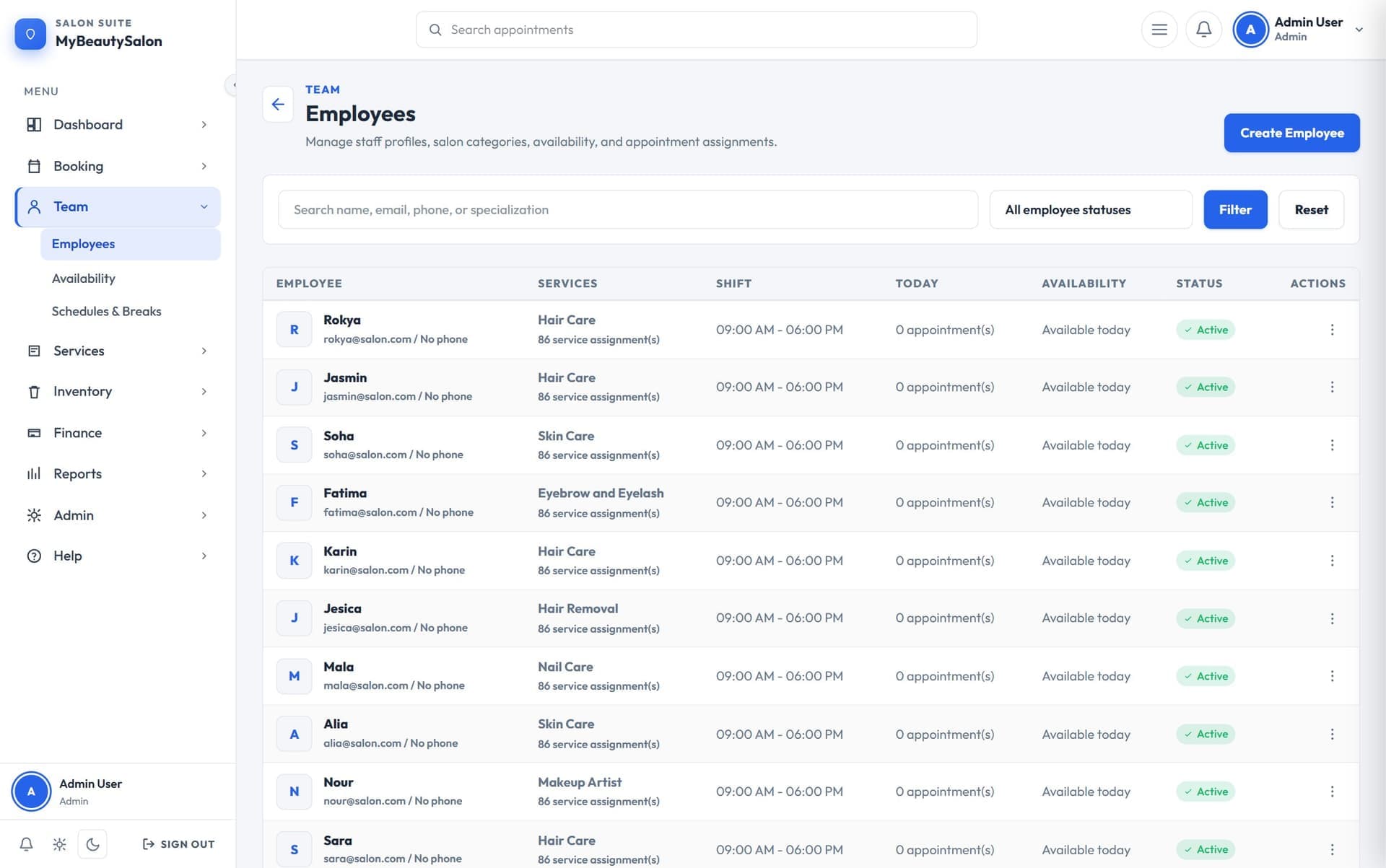
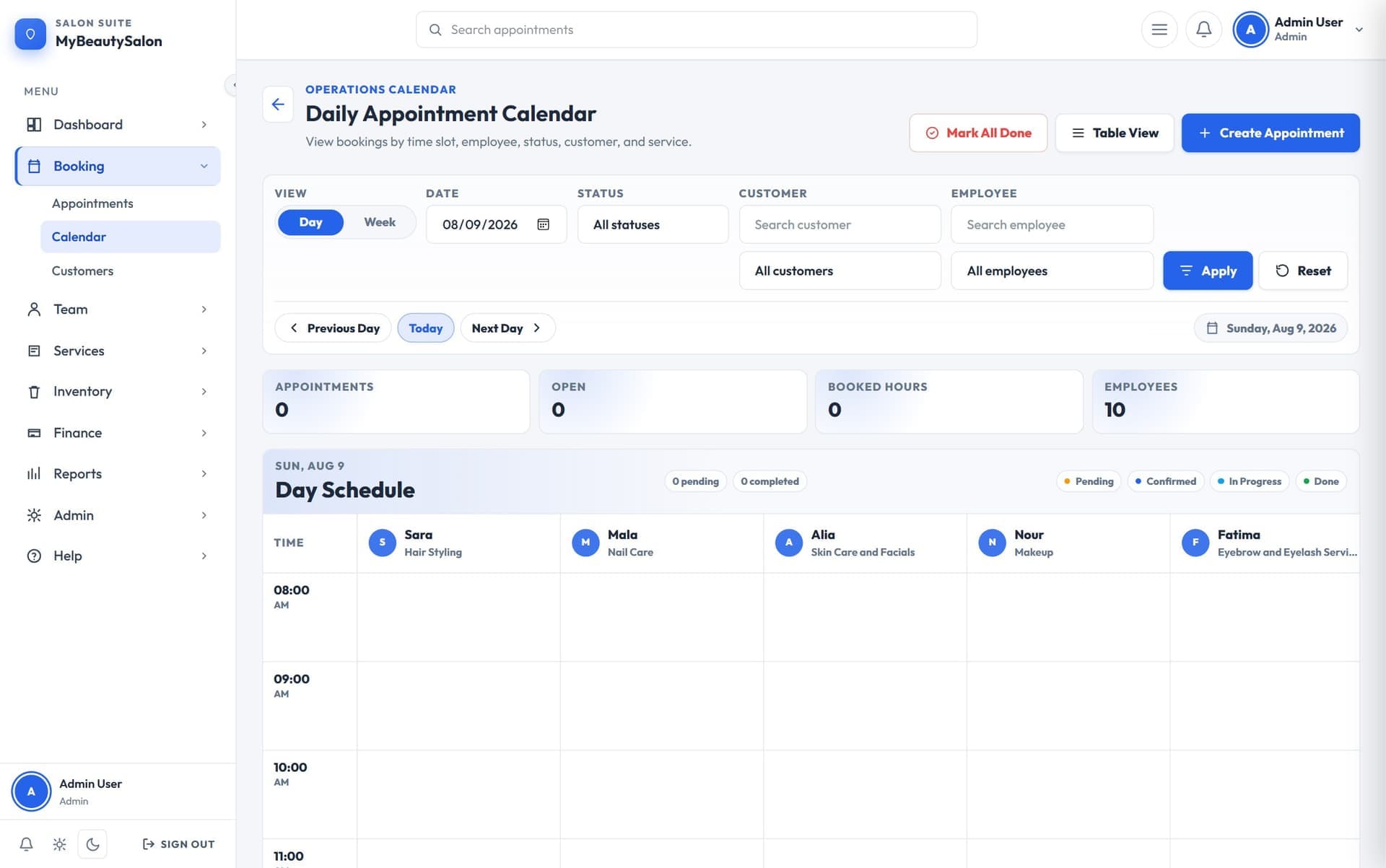
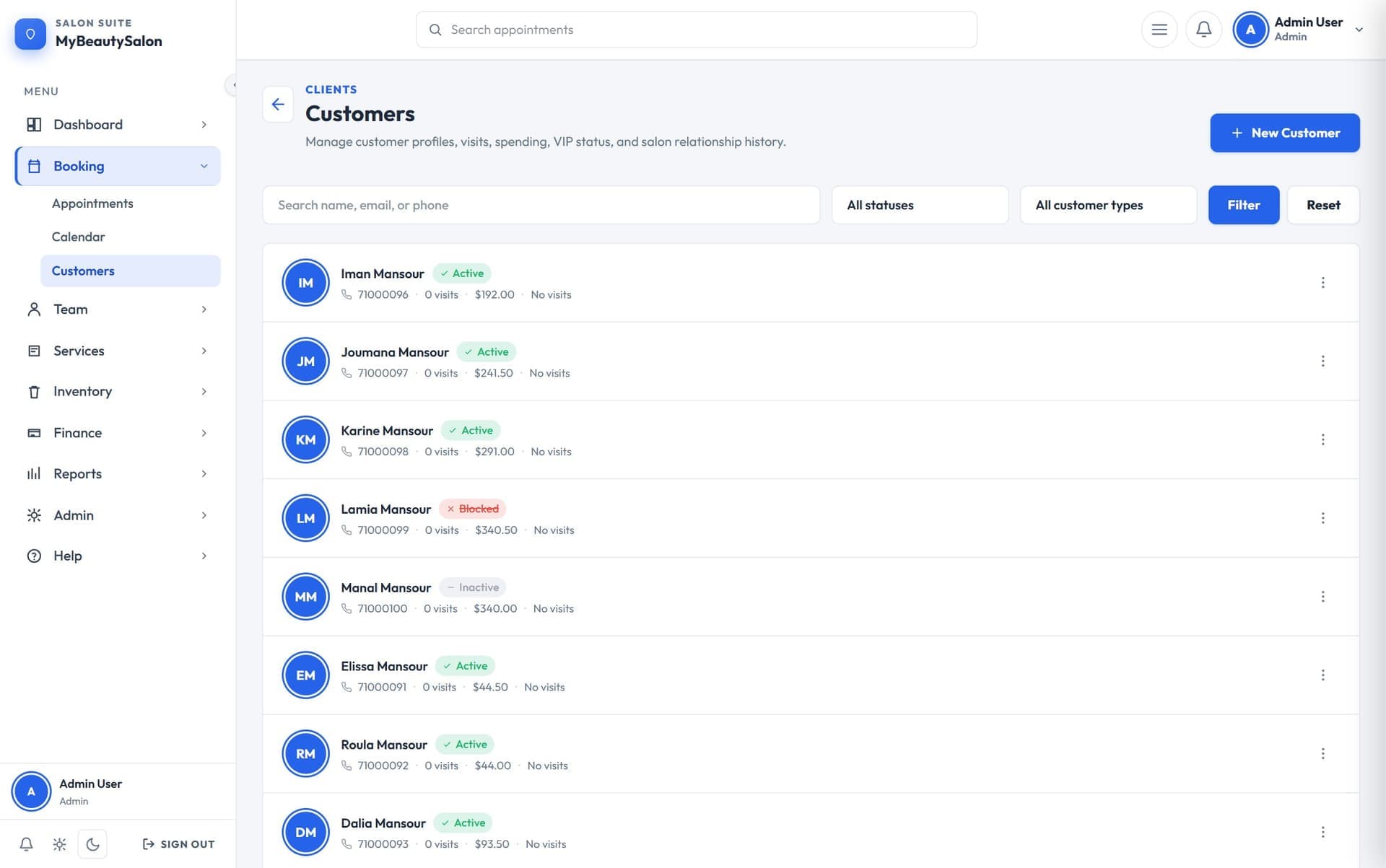
A salon running on a paper diary, replaced by one system across eight modules.
Laravel · MySQL · Blade · PHP
Open case studyA map of which Lebanese businesses are actually online, and which only look it.
Next.js · TypeScript · PostgreSQL · Python
Open case study
A physical card that opens a shared space of memories — no app install.
Next.js · ASP.NET Core · EF Core
Open case study
Most jobs need two or three of these at once. That is the reason to hire one person instead of three.
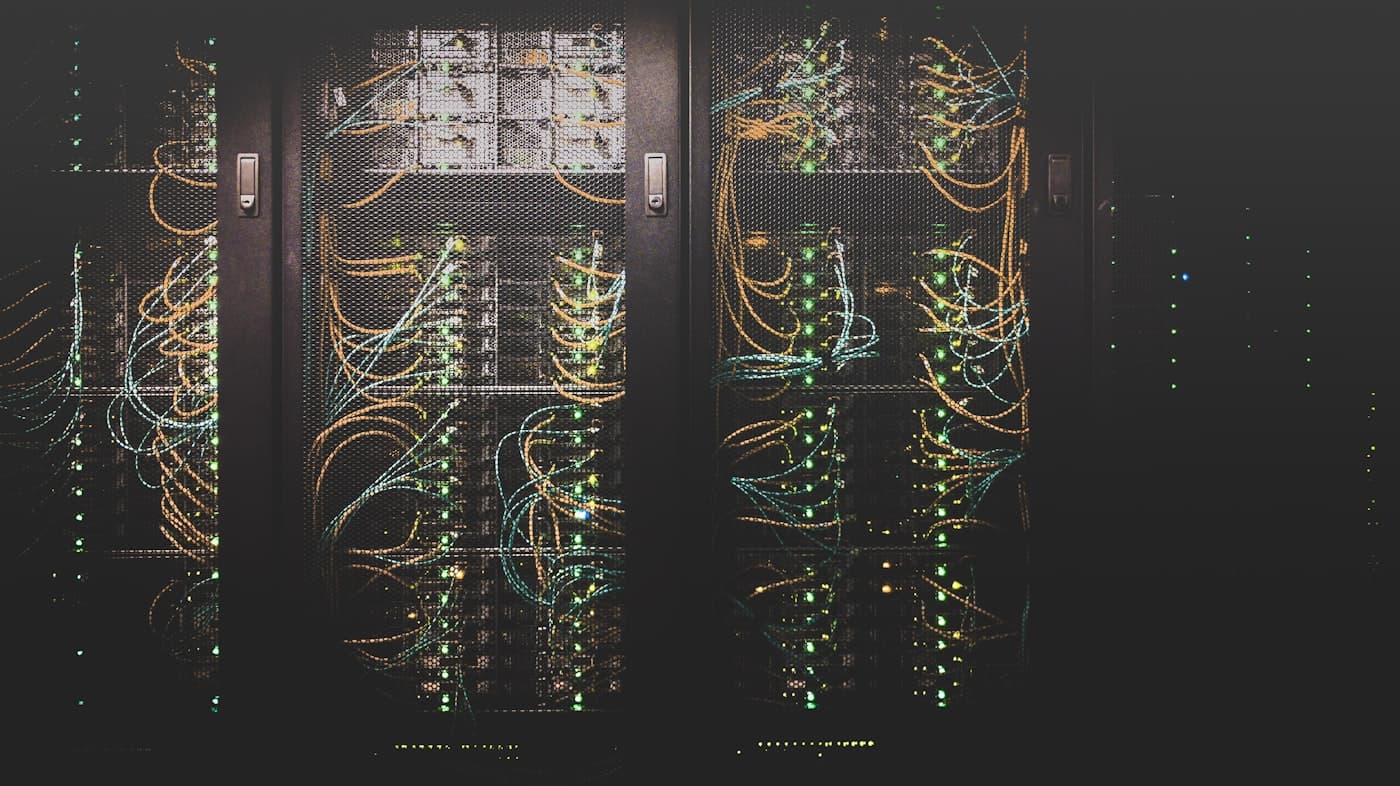
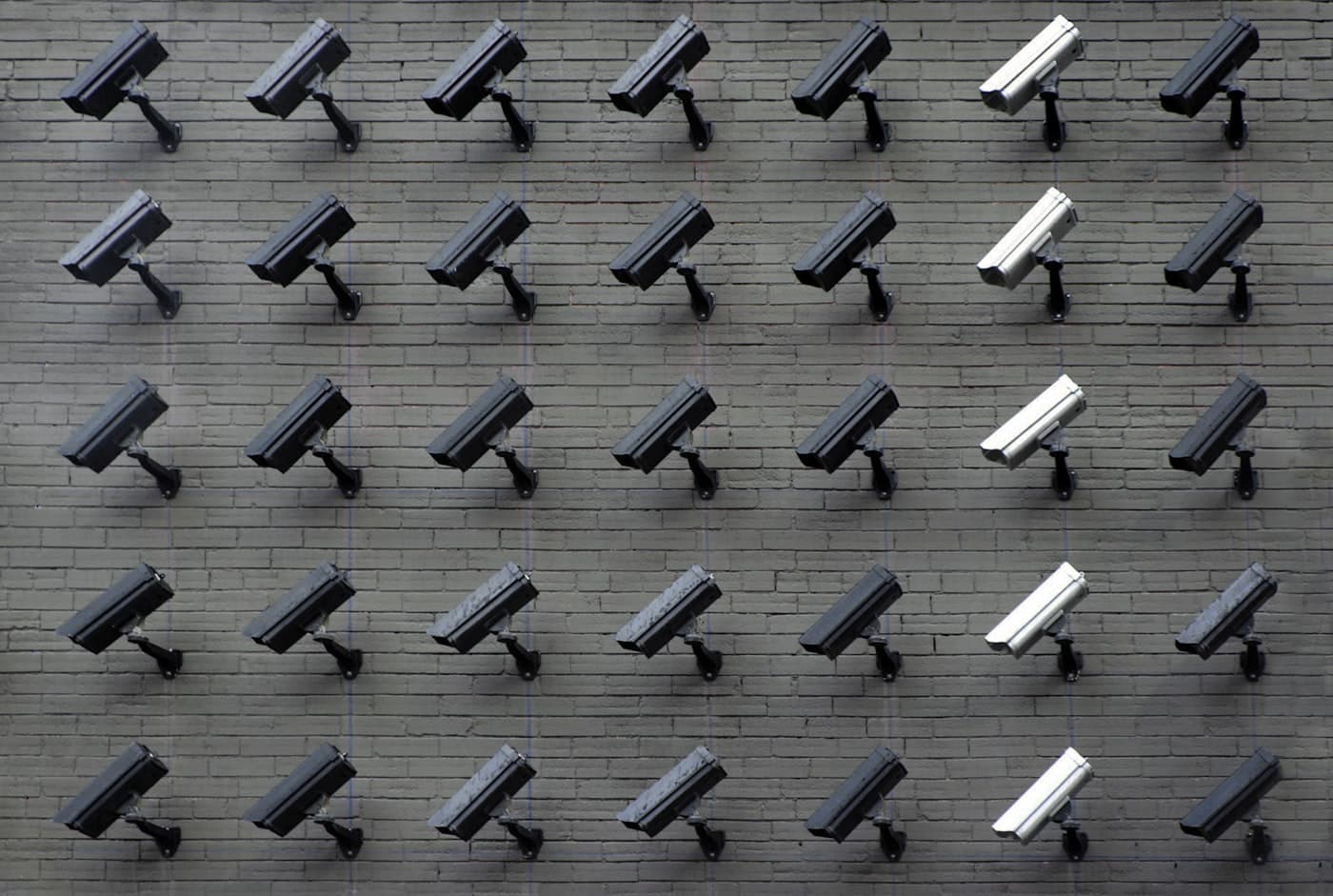
Not all of it lives on a screen. Cameras, cabling and cabinets — surveyed, installed and labelled.

However big the job is, it goes the same way round.
What are you protecting or building, and where does it hurt today? Scope agreed in writing before anyone talks about price.
Data model, access rules, network layout, camera coverage — settled on paper with you, while changes still cost minutes.
Work lands in reviewable increments, hardened as it lands. I attack my own build before you ever see it.

Documentation someone else could follow, monitoring that warns you first, and a person who answers when you call.
Five promises. You can check every one of them against something else on this page.
Written down, agreed, and it does not move unless you say so. No invoice is ever a surprise.
Everything I build, I attack myself first. That is the whole point of doing both jobs.
Labels, drawings, passwords, and a page that tells the next person how it all works.
Security work starts with your permission, in writing. Nothing outside it gets tested.
A few jobs at a time. Call in a year and you get the same person who built it.
The things that exist at the end of a job. All of them yours to keep.
You should never need me to explain your own system to you.
If yours fits none of them, say so. Nothing starts before the price is written down.
Knowing how a network is actually cabled changes how I design an application. Auditing my own code makes me a better defender. The three do not sit in separate boxes.
The network under the application — surveyed, dressed and labelled
I'm Badii — a Syrian computer science student and security practitioner, working out of Beirut. I did not arrive at these three disciplines from a careers page; they kept turning out to be the same job. The application needed a network. The network needed cameras. All three needed someone who would still answer the phone afterwards.

Badii Ali
Syrian · Beirut · Open to workA few projects at a time — you talk to the person doing the work.
I audit the way an attacker reads a system.
Authorised testing, hardening and monitoring — and the habit of attacking my own work before anyone else gets the chance.
I build the thing, so I know where it is weak.
Production applications in Next.js, TypeScript, Laravel and ASP.NET Core, with auth and data handling designed in from the first commit.
I have pulled the cable the application runs over.
Networks, servers and camera systems — surveyed, installed, labelled and documented well enough for a stranger to maintain.
Anything not covered here, just ask. A straight answer costs nothing, and it saves us both a meeting.
Defined scope gets a fixed price, so you know the number before anything starts. Open-ended or exploratory work is billed by the day. Either way the figure is in writing first — no invoice should ever be a surprise.
Both. Development, audits and advisory work happen remotely and can be anywhere. Anything involving cable, racks or cameras happens in person — I am Syrian, based in Beirut, and I travel for installs.
Yes, and for security work I would expect to. Testing engagements also get written authorisation defining exactly what is in scope before anything is touched. I do not test systems I have not been asked to test.
Often that is the better arrangement. I can review what exists, harden it, and hand your team a prioritised list of what to change — without replacing anyone or starting a turf war.
It depends what is already in flight. I keep only a few projects running at once so nobody gets the leftovers. Tell me your timeline and I will be straight with you about whether it fits.
That is completely fine. Not everything has to be a project — one camera, a server that will not boot, or an afternoon of questions is a perfectly normal request.
A site that needs building, a system that needs hardening, cameras that need installing, or a network that just needs to work. I'll tell you honestly whether I'm the right person for it — and who to call if I'm not.
Open to work
Within a day
Beirut time, but flexible